
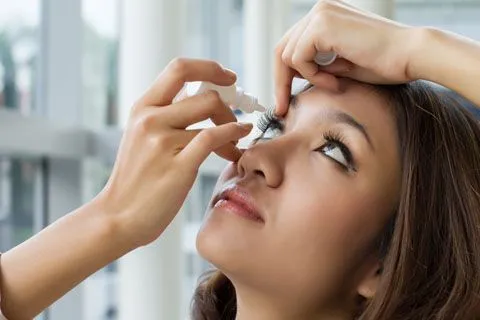
According to the American Academy of Ophthalmology, 4.88 million individuals over the age of 50 have dry eye syndrome, which is characterized by red, itchy, scratchy eyes. Thankfully, this common eye ailment is completely treatable once the causes are known.
Causes of Dry Eye
Dry eye occurs when there is a problem with the basal tears. Basal tears are not like emotional tears, which are composed of oil, water, and mucus. The oil helps prevent the tears from drying too quickly on the surface of the eye. The watery layer helps the tears spread evenly over the eyes, and the mucus layer combines with the watery layer to help ensure eye hydration. If any of these layers are deficient, symptoms of dry eye can develop.
- Medications – The most common cause of dry eye is prescription and OTC medications. Usually, they will list dry eye as a side effect.
- Older Adults – As we age, the basal tear production in the eyes can reduce. This is why most people who have dry eye are over the age of 50.
- Having an Immune Disorder – Autoimmune disorders can cause dry eyes. Common conditions include Lupus, rheumatoid arthritis and Sjogren’s syndrome.
- Having Allergies – Seasonal allergies can lead to dry, itchy, scratchy eyes.
- Environmental Conditions – Individuals who work in dry, dusty, or windy conditions can develop symptoms of dry eye.
Symptoms of Dry Eye
Dry eye can result in a wide range of symptoms that may not be readily noticeable. If you have any of these symptoms, it is important to call our office and schedule an appointment with our eye doctors to diagnose the causes of your dry eye and develop a dry eye treatment plan.
- Having blurry vision, difficulty seeing at night or a sensitivity to light
- Having eyes that are scratchy or feel gritty when you blink
- Having red eyes or feeling like your eyes are burning
- Sudden intolerance to wearing contact lenses
Dry Eye Treatment with Our Eye Doctors
Dry eye treatment starts with a thorough diagnosis that includes an eye exam to test your eye health and visual acuity. Next, our eye doctors will measure the volume and quality of your tears. If there is a problem with your tear production or the composition of your basal tears, a dry eye treatment plan will be developed.
Creams, Eye Drops, and Ointments
For mild to moderate dry eye, our ophthalmologist may recommend eye drops, creams and/or ointments. Eye drops are typically used during the day to keep your eyes hydrated and to reduce symptoms. Creams and ointments are placed in the eyes at night to help keep your eyes hydrated while you sleep.
Changing Medications
If you have one or more prescription or OTC medications that list dry eye as a side effect, our ophthalmologist may recommend talking to your family doctor about switching to medications that do not cause symptoms of dry eye.
Medications that Increase Tear Production
There are medications on the market that can increase your natural tear production. They can be prescribed as oral tablets or pills, eye drops, and creams.
Temporarily or Permanently Closing Your Tear Ducts
If creams, ointments, and switching medications doesn’t help alleviate your dry eye symptoms, our ophthalmologist may recommend inserting plugs into your tear ducts to close them. The first step usually involves inserting temporary tear duct plugs to see if this helps alleviate your symptoms. If it does, we may recommend permanent tear duct plugs.
Intense Pulsed Light (IPL) & Low Level Light Therapy (LLLT)
At West Valley Vision Center, we prioritize a comprehensive approach to dry eye care by leveraging advanced technology focused on identifying and addressing the root cause of the condition, rather than merely managing symptoms. Our commitment lies in delivering personalized care that goes beyond surface-level relief, aiming for long-term solutions and improved overall eye health.
Intense Pulsed Light (IPL)
Intense Pulsed Light (IPL) therapy is a safe and effective treatment option that utilizes pulses of light to liquefy and release hardened oils that have clogged glands in the eyelids. The treatment is performed over four sessions by your doctor in our office and is non-invasive.
Intense Pulsed Light (IPL) therapy not only addresses gland blockages but also improves overall eyelid health by reducing inflammation and bacterial load. By targeting the blood vessels contributing to inflammation, IPL helps to restore the natural oil flow, enhancing the quality of the tear film and providing long-lasting relief from dry eye symptoms.
A welcome side effect of IPL treatment is the cosmetic benefit to the treatment area, including smoother skin, decreased wrinkles, and a more even complexion.
Each session is tailored to the patient’s specific needs, ensuring optimal results. With minimal downtime and a high safety profile, IPL therapy is an excellent choice for those seeking an effective and convenient solution to chronic dry eye discomfort.
Low Level Light Therapy (LLLT)
Low Level Light Therapy (LLLT) offers a non-invasive and gentle approach to alleviate dry eye symptoms effectively. By targeting inflammation and promoting cellular rejuvenation in the eye area, LLLT helps restore moisture and soothe irritation, providing lasting relief from dryness, redness, and irritation. This treatment works best in conjunction with IPL if you are a suitable candidate.
If you are having symptoms of dry eye, give our West Valley Vision Center office a call today at (623) 932-2020 to schedule an appointment.
